
7 Good Reasons For Making Your Own Household Products
This website may earn commissions from purchases made through links in this post. As an Amazon Associate, I earn from qualifying purchases.
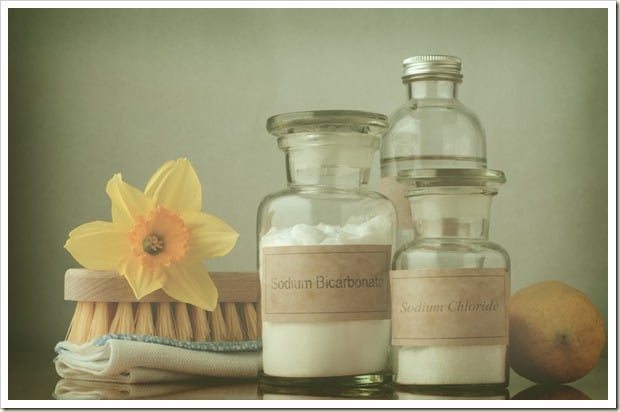
Sure, it’s easier to pop into the store and pick up a bottle of cleaner while you do your grocery shop.
But that’s where the benefits stop.
And it’s really only a little bit easier to buy household products like cleaners because it’s super quick and easy to make your own.
If you’ve never made your own cleaners and other household products and you need a little convincing below are seven reasons to make your own.
And if your an old hand at making your own products, but your friends or family think you’re a little strange and they need convincing, send them this article!
7 GOOD REASONS TO MAKE YOUR OWN HOUSEHOLD PRODUCTS
1. SAVE MONEY
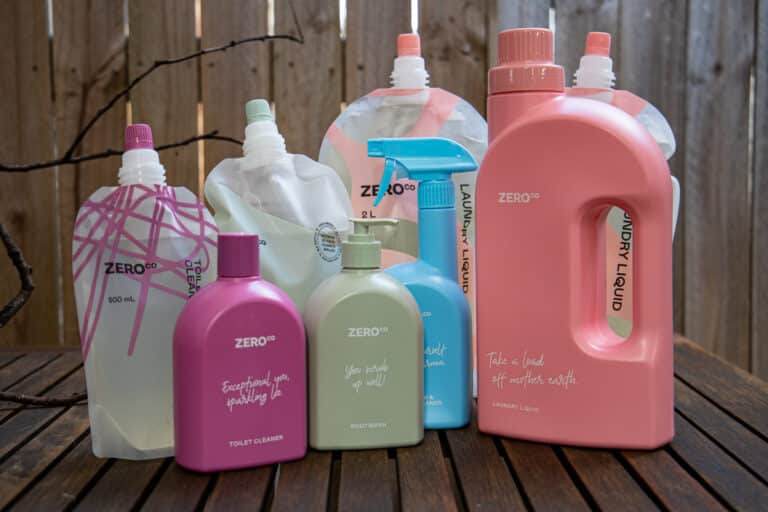
It’s been a long time since I’ve bought commercial cleaners so I checked out Coles online to compare costs. The cheapest all purpose cleaner was their home brand cleaner in a spray bottle for $1.99 for 100ml [2009].
I estimate the one I use to cost about 10c for 100ml. Cheapest air freshener: home brand $2.11, I use a few pricey essential oils but the cost would be less than 50c per 100ml.
What makes commercial cleaners and other household products really expensive is that they are made up of mostly water. Up to 80-90% water in some cases – then add chemicals.
Do you want to pay $2 and up for a bottle of mostly water?
2. HOMEMADE PRODUCTS ARE EFFECTIVE
Nothing cleans like bicarb soda. It’s a miracle cleaner that has superpowers when it comes to stain removal. It’s natural enough to eat and it’s cheap.
Worried about bacteria?
While good hygiene is essential for good health, advertisers have instilled an unhealthy fear in bacteria that’s hazardous to our health.
Spraying cooking surfaces with chemicals that come in contact with our food is not healthier.
Alternatives include vinegar and tea tree oil, both products having strong anti-bacterial properties without the toxicity.
3. IT’S EASY
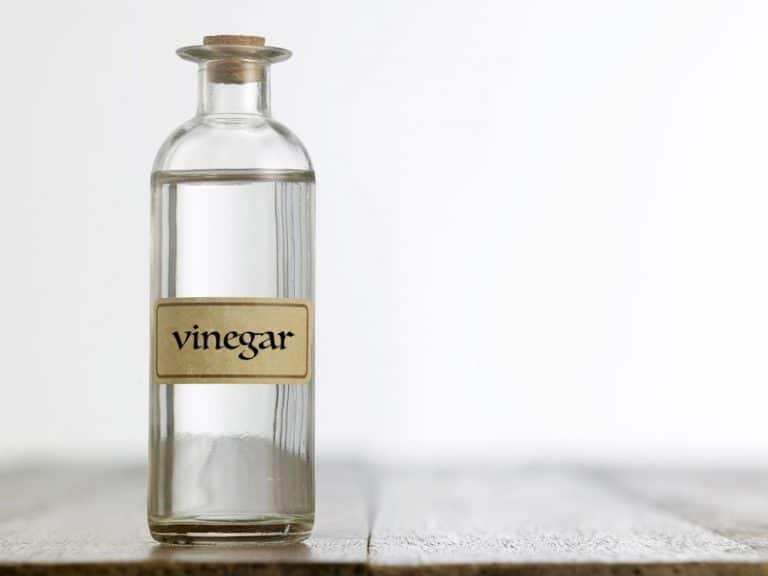
To whip up a bottle of cleaner or air freshener takes less than 2 minutes, it’s just a matter of mixing the ingredients like vinegar in a spray bottle and away you go.
And if you run out, you just make more from common ingredients you have in your pantry.
Some cosmetics take longer, although if you’re moisturising with olive oil or exfoliating with sugar, then there is really no effort at all.
4. REDUCE YOUR FAMILY’S EXPOSURE TO TOXIC CHEMICALS
The average person is exposed to thousands of synthetic chemicals a day, most of which are inside the home.
There are literally tens of thousands of chemicals in everyday products most of which have never been tested for safety. Products are often deemed unsafe only after there have been complaints made by consumers.
Not only have most individual synthetic chemicals never been tested for safety, no chemical has ever been tested over time. Sure, we might be only exposed to small amounts, but those small amounts build up after years of exposure.
Further to this, the synthetic chemicals in our products are not tested in combination. When two chemicals mix, you get an entirely new chemical.
And the chemicals can combine on a cellular level.
So maybe the chemicals in your moisturiser are safe? But what happens when they mix inside your cells with the chemicals in your cleaners? Or the pesticides on your produce?
The truth is, we just don’t know.
What we do know is that the population’s health issues are growing worse. Some people believe this is linked to chemical exposure.
If you’re interested in reading up on this, a great book to read is Paula Baillie-Hamilton’s Stop the 21st Century Killing You: Toxic Chemicals Have Invaded Our Lives. Fight Back! Eliminate Toxins, Tackle Illness, Get Healthy and Live Longer .
.
Is our worsening health really due in part to exposure to household chemicals? Maybe. Maybe not. But I don’t want to take the chance.
On the flip side, just because something is natural, doesn’t mean it’s safe either. There’s plenty of poisons in nature, so due care has to be taken with natural products as well.
But unlike synthetic chemicals, our natural products have been used by humans over thousands of years, their safety and effectiveness tested over that period.
5. REDUCE THE TOXINS ENTERING OUR ENVIRONMENT
Every time we use a spray with synthetic chemicals, it adds chemicals to the air that shouldn’t be there.
Every time we wash cleaner down the drain, we pollute the water.
Chemicals leaching out of containers in landfill pollutes the land and the underlying water table.
Environmental awareness is certainly increasing, but I’m not sure we really think about the cumulative impact of such small everyday actions that millions of people make has on the environment.
All those small squirts, sprays and sprinkles add up to a big environmental impact.
As ‘consumers’ we have a lot of power when it comes to what big business do and don’t do. If we say “no, this is not good enough, the ingredients you put in your products does not conform to my personal values,” then business will be driven to change, because they will do whatever it takes to make a profit.
6. REDUCE LANDFILL
Spray and wipe, floor cleaner, shower cleaner, toilet cleaner, washing detergent, air freshener, shampoo…I’m not sure how many bottle of each an average household goes through each year, but they add up.
(Most of these cleaning products are almost exactly the same with different labels so that the companies can make more money out of us!)
Times that by how many households in Australia. Times that by 10, 20, 30, 100 years. That’s a lot of landfill.
But it’s not just at the landfill end that endlessly consuming these products impacts the environment. There is the pollution from the extraction of resources and the manufacture of the product and the packaging.
Plastic is made from a petroleum by-product. The impact on the environment for a single bottle of cleaner that we thoughtlessly toss away when it’s finished is huge.
Yes we can recycle the packaging of many products. Recycling is good. We should recycle as much as we can. But recycling is not an overall, long term solution.
Making your own stops the cycle of waste. Yes, I use a plastic bottle. Not ideal, I know. But I have used the same plastic bottle for all my cleaning purposes for over 5 years now, so our waste is significantly reduced.
7. HEALTH BENEFITS OF USING ESSENTIAL OILS
I love the smell of my toilet spray. It is mostly citrus essential oils because these are the cheapest! But I like citrus, it’s a refreshing smell (and is considered safe during pregnancy!) According to the essential oil book that I have, citrus oils energise and relieve fatigue.
And the smells are enjoyable. I love hanging out the washing with the fresh smell of lavender wafting around the yard. This smell goes away once the clothes dry, but comes back again when you iron them.
Not only are you getting a clean house, you’re enjoying therapeutic benefits as you clean.
Making your own household products is easy. Save money and reduce your toxic load with DIY products.
DO YOU MAKE YOUR OWN HOUSEHOLD PRODUCTS? WHAT’S YOUR FAVOURITE BENEFIT?


[…] Seven Good Reasons For Making Your Own Household Products – there are probably more than seven, but these are a good start! […]…